Doctors dedicate countless years to rigorous study and clinical training, learning to diagnose and manage an extraordinary range of diseases and conditions. Their expertise is built on evidence, repetition, and the structured logic of medical science.
However, there are moments when even the most experienced doctor encounters an illness they do not recognize, one that defies logic and falls outside their defined diagnostic criteria. A condition that challenges standard explanation, exposing the limitations of even the most advanced diagnostic frameworks.
C.A.R.P.A is one such condition—operating in the shadows of mainstream medicine, largely absent from clinical education and diagnostic practice, despite its potential to cause severe, life-altering reactions. C.A.R.P.A. is a non-IgE-mediated immune reaction, meaning it is not a traditional allergy.
Instead of being triggered by antibodies, it occurs when certain substances—often nanoparticles, liposomes, contrast agents, or other drugs and chemicals, and foods activate the complement system, a key part of our innate immune defense.
CARPA exists outside the core scope of medical training and textbooks, a pseudoallergy documented mainly in toxicology and immunology, and known primarily to researchers in drug development and nanomedicine, not to doctors.
The activation of CARPA sets off a cascade of inflammatory responses throughout the body, leading to the sudden release of mediators such as histamine and cytokines.
Because it does not follow the typical allergic pathway, CARPA exists in a gray area in medicine—documented and measurable in immunology research, but largely unseen in everyday clinical practice.
Most physicians are unfamiliar with Carpa, and because it doesn't align with traditional medical models or studies, doctors treating affected patients often lack clear guidance on what steps to take.
As a result, they frequently do no more than address symptoms rather than figure out how to treat the underlying condition. Imagine you suddenly start experiencing a series of random health issues.
As if this were not already enough, amidst this relentless cascade of symptoms, a new and deeply alarming sensation emerges.
Without warning, I am jolted awake by an overwhelming tightness in my chest—my lungs seemingly constricting, each breath reduced to a desperate and conscious effort. Air no longer comes naturally; it must be fought for.
The episode itself may be brief, but its intensity is profound. It leaves behind not only physical exhaustion, but a lingering sense of panic and fear—an acute reminder of just how vulnerable my condition makes me.
All of these symptoms are mentioned in various medical textbooks and attributed to different medical specialists, but none mention a specific condition that encompasses them all.
Is it a gastroenterology issue? An allergic reaction? A hematology problem? An autoimmune disorder?
The search for answers turns into a frustrating maze, with each turn leading to another dead end or a confusing new possibility.
In those moments, both the patient and doctor enter uncharted territory, where answers aren’t straightforward and medical knowledge is still catching up.
None of these are symptoms of separate conditions; they are all triggers of C.A.R.P.A.
Imagine a person trapped in a body that turns against itself! C.A.R.P.A. is a hypersensitivity reaction, a complex syndrome that leads to chronic inflammation of major organs, including the lungs, stomach, and skin.
This constitutes my daily reality: living with C.A.R.P.A.
These inflammations lead to severe symptoms—some of which are readily apparent to the naked eye, while others remain invisible even to regular medical tests.
The ongoing challenge of managing this condition results in further complications such as persistent fatigue, anxiety, and chronic insomnia. Imagine living under the constant regulation of a condition so rare that most healthcare professionals have never even encountered its name.
C.A.R.P.A. is not just uncommon—it is profoundly under-researched. This lack of scientific understanding translates directly into limited clinical guidance, leaving patients without clear, safe, or standardized treatment pathways. Every medical decision becomes a calculated risk rather than an evidence-based choice.
What makes this situation even more precarious is the extensive list of known triggers. A wide range of medications—many of them essential and routinely prescribed—can provoke life-threatening CARPA reactions.
These include analgesics, aromatase inhibitors, tamoxifen, targeted therapies, immunotherapies, hormone treatments, antibiotics, endocrine therapies, certain antihistamines, and even seemingly benign substances such as laxatives and the chemicals in drinking water.
In essence, the treatments designed to preserve my life, prevent cancer, and assist me with viruses and related issues, are constantly triggering Carpa, side effects, and subject me to substantial and unpredictable risks to my health and even my life.
Despite this, I have no real alternative. To reduce the likelihood of cancer returning, I am compelled to undergo anti-hormonal therapies, pain management, and other necessary treatments—fully aware that each carries the potential to trigger serious adverse reactions.
This is not a matter of choice; it is a matter of survival under medically complex and high-risk conditions.
I only have a limited number of medicines for treating pain, itching, viral infections, cancer, allergic reactions, and other conditions that are considered somewhat safe for Carpa, and regardless of the triggers they produce, I have no choice but to take them. For over twelve years, I have undergone various medical exams, treatments, and tested numerous medications in an effort to relieve the symptoms of this rare condition, all without long-term success.
Again, it is vital to emphasize that medications employed in the treatment of viral infections, pain, and cancers have been associated with severe allergic reactions and life-threatening inflammation induced by CARPA.
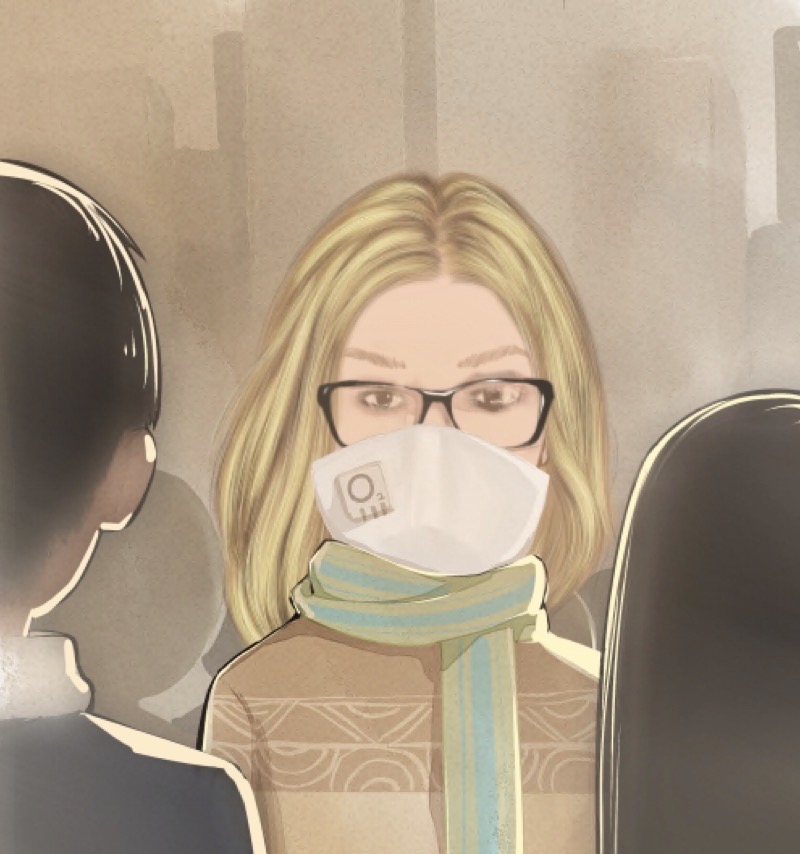
To avoid triggering symptoms and to protect my health and well-being from potential viral exposure, I must avoid crowded and public places, these medications and chemicals, specific foods and liquids, such as tap water. These precautions are essential for managing CARPA.
Today, Carpa, in combination with the long-term effects of post-breast cancer treatment, makes my life a continuous health struggle.
Together, these conditions have gradually taken years from my life, along with the routines, independence, and sense of well-being that once shaped my daily existence.
Simple everyday activities—such as social outings, public transit, and visiting places like restaurants, grocery stores, malls, and the like—pose health risks I cannot take.
So I have no choice but to avoid most freedoms and aspects of life that others take for granted.
Living with a life-threatening orphan disease demands careful planning and ongoing vigilance.
I deal with some of these allergies and inflammations daily, which cause deep anxiety and uncertainty, significantly affecting my quality of life.
C.A.R.P.A. is a serious and life-changing condition. Increasing awareness of this syndrome will help improve the quality of life, reduce suffering, and help prevent potentially fatal complications for people like me who live with it every day. A pseudoallergy, also known as non-allergic hypersensitivity.
For me, survival is more than just making it through each day — it’s a quiet endurance filled with hope for regaining some of my freedoms and brighter days ahead.