• © 2025 kiraluna.com Contact Me 0


Understanding Complement Activation-Related PseudoAllergy -C.A.R.P.A.



A Different Kind of Allergic Reaction

Stacks Image 182
CARPA is the acronym for Complement Activation-Related Pseudoallergy—a rare and severe non-immunological hypersensitivity - and an orphan disease.

Unlike typical allergic reactions, which are mediated by immunoglobulin E (IgE) and involve the activation of mast cells and basophils, this type of hypersensitivity is not antibody-dependent. It manifests as an extreme system overreaction with similar clinical features; however, it is driven by a completely different pathway.
It is important to note that medications like acetaminophen, antihistamines, and corticosteroids may not prevent CARPA symptoms; additionally, some of these medications could potentially trigger them.
The complement system, a crucial component of the innate immune response, is activated to produce potent anaphylatoxins, including C3a, C4a, and C5a.

Exposure to
specific medications, intravenous drugs, nanomedicines, certain foods, liquids, and other chemicals can trigger intense and sudden abdominal pain, angioedema, respiratory distress, pruritus, flushing, various cutaneous eruptions, and full-blown anaphylactic shock.

These substances directly activate the complement cascade, releasing molecules that trigger a range of inflammatory symptoms, including basophils and mast cells (similar to those in mastocytosis) and other effector cells, leading to the rapid release of histamine and other mediators.
Stacks Image 232
Stacks Image 239
The result is a pseudoallergic reaction that is clinically indistinguishable from IgE-mediated anaphylaxis but mechanistically distinct.

CARPA can be particularly dangerous as there is amplification of the initial complement activation trigger that transforms the
initial drug effect into a massive vicious cycle of abnormal physiological changes that include pulmonary hypertension, systemic hypotension, myocardial hypoxia, and bronchospasm.

In essence, you first need to consider that CARPA could occur, then ensure that all appropriate preclinical tests are performed and the medication is administered appropriately.

 
Let's picture the immune system as a skilled, experienced doctor who responds only when it's truly necessary.

When this experienced doctor detects a threat (such as a virus or bacteria), it carefully chooses when and how to respond effectively.

This is a normal and healthy immune response that comprises two main components: the innate and adaptive immune systems.
Stacks Image 241
Stacks Image 196
Now, imagine a less experienced doctor (the complement system), who is overly caffeinated, overworked, new to the job, and sees dangerous viruses everywhere!

When this overworked doctor thinks there is a danger, even if there is none, instead of asking and waiting patiently for the official approval from the experienced doctor, he panics and triggers a fight-or-flight stress response, shouting, "INTRUDER ALERT! INTRUDER ALERT!"

CARPA behaves like an overly caffeinated doctor, unlike the calm doctor, and responds chaotically and harmfully.


Therefore, the experienced doctor does not get the opportunity to say, "Please remain calm. There is no immediate risk; I am managing the situation."

Meanwhile, the inexperienced doctor triggers chaos by releasing a surge of
inflammatory chemicals throughout the body, leading to real risks such as allergies and inflammation.

In other words, a section of the immune defense system completely breaks down!
Stacks Image 254
Carpa symptoms appear when the body’s immune system overreacts, much like that friend who freaks out over a harmless spider.

It’s a system glitch similar to a computer virus. Unlike normal programs, viruses change normal functions and attempt to spread.

Just as a computer virus alters how computers function, Carpa symptoms spread across the body, disrupting multiple organs.
CARPA is triggered by direct activation of the complement cascade, leading to the release of inflammatory molecules and anaphylatoxin molecules that activate mast cells and basophils.

A CARPA reaction is unpredictable and occurs
without the typical warning signs that precede a typical allergic response.

These responses can range from severe
cutaneous adverse reactions like Stevens-Johnson syndrome, DReSS, serum sickness, pulmonary edemahypotension, and, according to multiple studies, even cardiac arrest
Stacks Image 262
Stacks Image 217
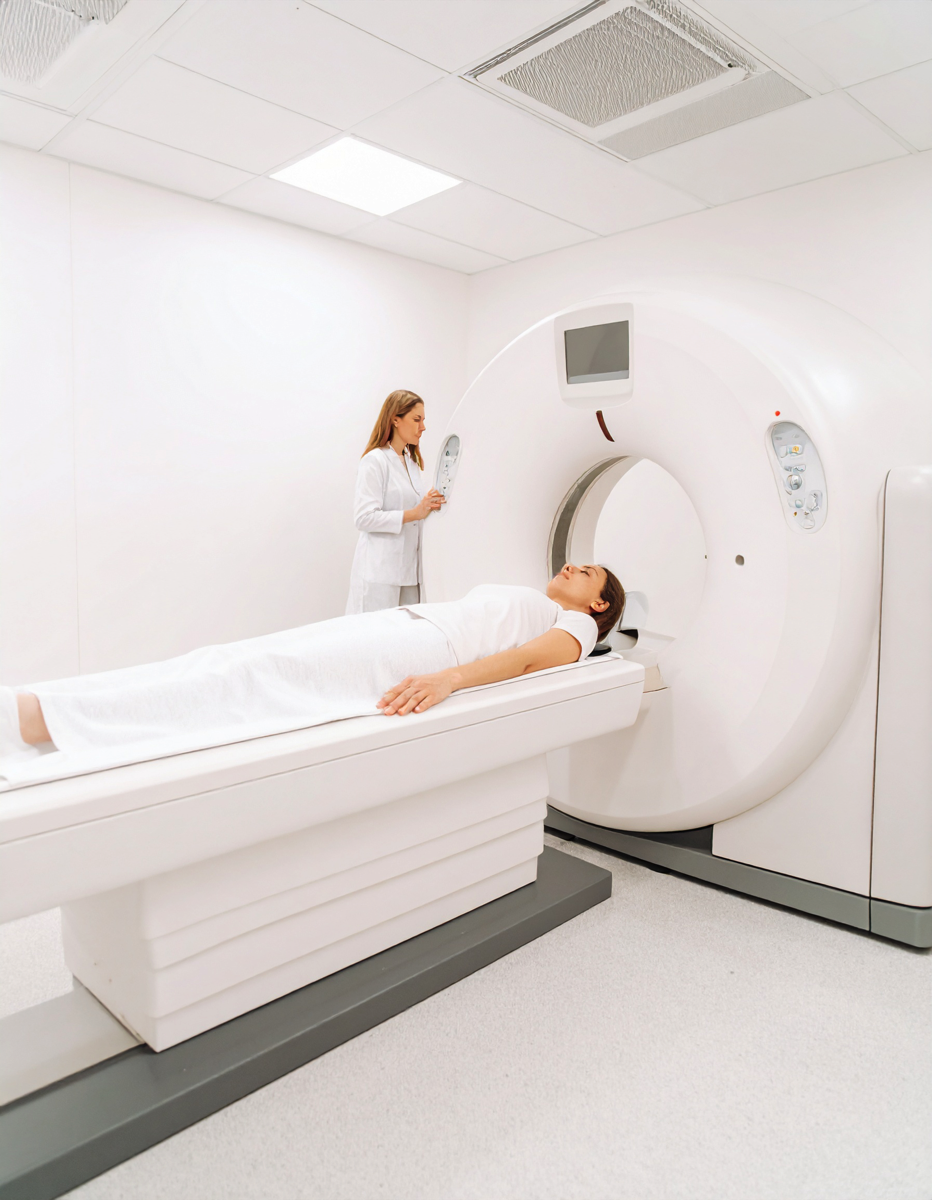
Some medicines and substances, like MRI contrast, can have a delayed effect of a week or more after exposure.

C.A.R.P.A is
characterized by anaphylactoid reactions to pharmaceuticals, chemicals, foods, and other agents, often involving nanomedicine, liposomesradiocontrast media, and anaphylactoid symptoms.

While both IgE and non-IgE reactions can present with similar symptoms, such as anaphylaxis, it's crucial to distinguish between them for the appropriate and safe treatment of patients with Carpa. 

Understanding that CARPA's mechanism differs from that of a true allergy is essential for accurate treatment.

CARPA is an unpredictable and complex condition that requires careful attention and ongoing management to ensure
patient safety

Since CARPA symptoms can develop within minutes of exposure or may take days for signs to appear, it is crucial to carefully monitor the patient during infusions, medications, premedications, and alternative treatments.
Stacks Image 162

The unpredictability of Carpa causes fear and anxiety for patients who are already stressed by its symptoms, the isolation required, and being overwhelmed by ongoing efforts to prevent catching viruses and other health threats.


Diagnosis and Management:

Diagnosing CARPA requires a careful clinical evaluation, as the symptoms are often indistinguishable from those of a proper allergic reaction. Management of an acute CARPA reaction is similar to that of anaphylaxis, with a focus on stabilizing the patient.

This includes:

  • Immediate stop of the infusion of the suspected trigger.

  • Administration of antihistamines to block the effects of histamine.

  • Some corticosteroids to reduce inflammation; however, even these types of medications can trigger a reaction.

  • In severe cases, epinephrine/adrenaline may be necessary to treat life-threatening symptoms like severe hypotension and bronchospasm.


A life-threatening reaction by PHYS ORG News
The CARPA phenomenon is a hypersensitivity reaction to the use of nanomedicine, among others.

When exposed to specific nanoparticles during medical treatment, up to 100 CARPA patients worldwide have been reported to experience severe reactions, such as cardiac distress, respiratory issues, chest pain, and deaths have occurred due to uncontrollable anaphylactoid responses.
CA.R.P.A. is a condition that causes inflammation in major organs like the lungs, stomach, heart, and skin.

My goal is to continue learning about this rare and challenging disease so I can better manage its symptoms and identify its triggers, with the aim of improving my quality of life.

This blog serves as a platform to share my personal experiences with Carpa, along with links to all the research I've found, to help others understand and connect with the challenges that
C.A.R.P.A. presents in a patient's life.
Kiraluna

Kiraluna