A stress reaction in blood triggered by nanomedicines and biologicals /CARPA
Nanomedicine is a crucial instrument for enabling personalized, targeted medicine by facilitating the development of new drugs and treatments.
However, nano medicine-targeted drug delivery is likely to cause an uncontrolled activation of the complement system and trigger CARPA symptoms.
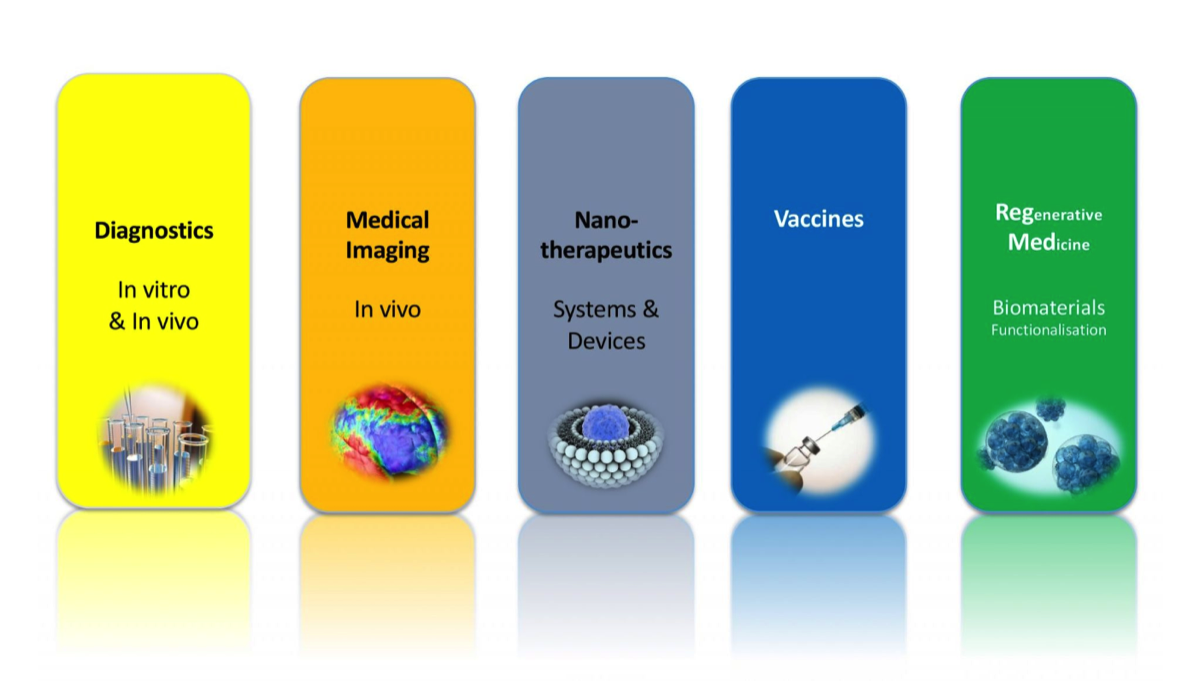
Nanomedicine impacts all fields of medicine.
Like for any breakthrough technology, the promising possibilities that nanomedicine offer in the future have to be counterweighted against risks.
It is of utmost importance to examine upfront with care and responsibility all possible side effects to human beings and the environment. Several European projects are already dealing with this critically important issue.
This article offers fundamental information on CARPA: a brief history, nomenclature issues, incidence, classification of reactogenic drugs and symptoms, and the mechanisms of C activation through different pathways. Intravenous injection of a variety of nanotechnology-enhanced (liposomal, micellar, polymer-conjugated) and protein-based (antibodies, enzymes) drugs can lead to hypersensitivity reactions (HSRs), also known as infusion or anaphylactoid reactions.
The molecular mechanism of mild to severe allergy symptoms is unknown; however, in many cases, a significant cause or contributing factor is the activation of the complement (C) system.
The clinical relevance of C activation-related HSRs, a non-IgE-mediatedpseudoallergy (CARPA), lies in their unpredictability and potential for a lethal outcome.
Accordingly, there is an unmet medical need to develop laboratory assays and animal models that quantify CARPA.
It is noted that anaphylatoxin-induced mast cell release (like mastocytosis) may not entirely account for the severe reactions; a "second hit" on allergy-mediating cells may also contribute.
In addressing the increasing requirements for CARPA testing, the review evaluates the available assays and animal models. It proposes a possible algorithm for the screening of reactogenic drugs and hypersensitive patients.
Finally, an analogy is proposed between CARPA and the classic stress reaction, suggesting that CARPA represents a "blood stress" reaction, a systemic fight of the body against harmful biological and chemical agents via the anaphylatoxin/mast-cell/circulatory system axis, in analogy to the body's fight of physical and emotional stress via the hypothalamo/pituitary/adrenal axis.
In both cases, the response to a broad variety of noxious effects is funneled into a uniform pattern of physiological changes.